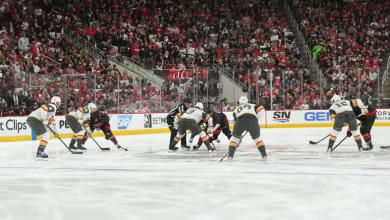


Close games are a regular feature of Western Conference hockey. When two well-matched teams meet, the score can be level after 60 minutes, and the finish comes in a five-minute overtime or a shootout. Yet most Canadian bettors look at the same single number, the moneyline, and miss the markets that deal with how a game ends. Whether you are new to betting or just curious about where to bet on NHL games in Canada and the best hockey betting sites in Canada, it helps to know that the final result can be priced in several different ways. Here are three overtime-related markets worth understanding, and how each one works.
Know the format before you price anything
The NHL regular season handles tied games in a specific way. If a game is level after 60 minutes, the teams play a five-minute overtime with three skaters a side. If it is still tied, a shootout decides the winner. In the playoffs the format is different, with full 20-minute sudden-death periods at five-on-five until someone scores. Betting markets follow these rules, so a bet’s outcome depends on exactly which result the market covers.This is where many players get caught. A standard moneyline usually includes overtime and the shootout, so the team that wins in either one is the winner. Other markets only count the first 60 minutes, and a tied game is a separate result. Read the rules for each market before you place anything.
Market one: the three-way regulation line
The three-way line, sometimes called the 60-minute line, treats the game as having three possible outcomes: home win, away win or a tie after regulation. Because a tied game is now a result of its own, the price on each team is usually longer than on the standard moneyline.This market suits matchups where you expect a close game but cannot confidently pick a winner. In Western Conference series between evenly matched clubs, the tie result often carries a price that reflects its real frequency, roughly one game in four in many seasons. The important caution is that if a game goes to overtime, a bet on either team loses. You are betting on the first 60 minutes only.
Market two: will the game go to overtime?
This is a simple yes-or-no market. You are not choosing a winner, only whether the game will be level after regulation. Because it removes the question of which team is better, it is useful for thinking about matchups in terms of style.Teams that play a tight defensive game, limit shots and have strong goaltending tend to produce low-scoring games, and low-scoring games are more likely to end level. A matchup between two such teams can be a better candidate than one between teams that trade chances freely. Check recent scoring, goaltending form and whether either team is on the second night of a back-to-back, since tired teams tend to play more conservatively.The price on “yes” will normally imply a probability close to the league’s average for games that reach extra time. If your own view of a specific matchup is clearly higher than the implied figure, there may be value. If it is not, there is no reason to bet.
Market three: winning method
The third market asks how the winning team wins: in regulation, in overtime or in a shootout. It is a more detailed way to take the same view, and the prices are longer because there are more outcomes.The overtime and shootout options are the interesting ones. A team with elite finishers who can create chances in three-on-three play is a different proposition from one that relies on defensive structure. Likewise, shootout results depend heavily on a handful of skaters and the goalie in net, which makes them closer to a coin flip than most bettors realize. That is exactly why the price matters. A long price on a two-outcome event is not a bargain unless it is genuinely longer than the real chance.
Comparing is half the work
Lines for these markets are less crowded than for the main game, and they can differ more between platforms. Where more than one option is available in your province, compare them. Note the market’s name, since “three-way”, “60 minutes” and “regulation” can all mean the same thing, and check that the rules about overtime and shootouts match your understanding.It also helps to remember that hockey history is full of games that went to overtime and games that did not, and neither says much about the next one. The Top 15 NHL Teams of All Time countdown is a fun reminder that even the greatest teams had plenty of one-goal games. For the rules of the league itself, the NHL’s official site is the best reference.
Keep it fun and keep it small
None of these markets is a sure thing, and the sportsbook’s margin means most players lose over time. The sensible approach is to treat betting as an extra layer of entertainment around games you already enjoy. Set a budget before the season starts, bet only a small fraction of it on any single game, and never try to win back what you have lost. Use the deposit and time limits that licensed platforms provide.You must be 19 or older to bet in most provinces. Gambling can be addictive. If it is affecting you or someone close to you, the Centre for Addiction and Mental Health offers confidential support at 416 535-8501, press 21.

Igor Burdetskiy
Latest posts by Igor Burdetskiy (see all)
- Three Overtime Markets Western Conference Bettors in Canada Overlook - October 20, 2026
- Storylines That Could Define the 2026 Stanley Cup Final - June 4, 2026
- Why Every Hockey Team Needs Custom Jerseys - October 26, 2025